Style
How to photograph a black dress for resale
Show a black dress clearly without hiding its condition. Plan the views, resolve dark or inconsistent photos, and check the listing with two decision aids.
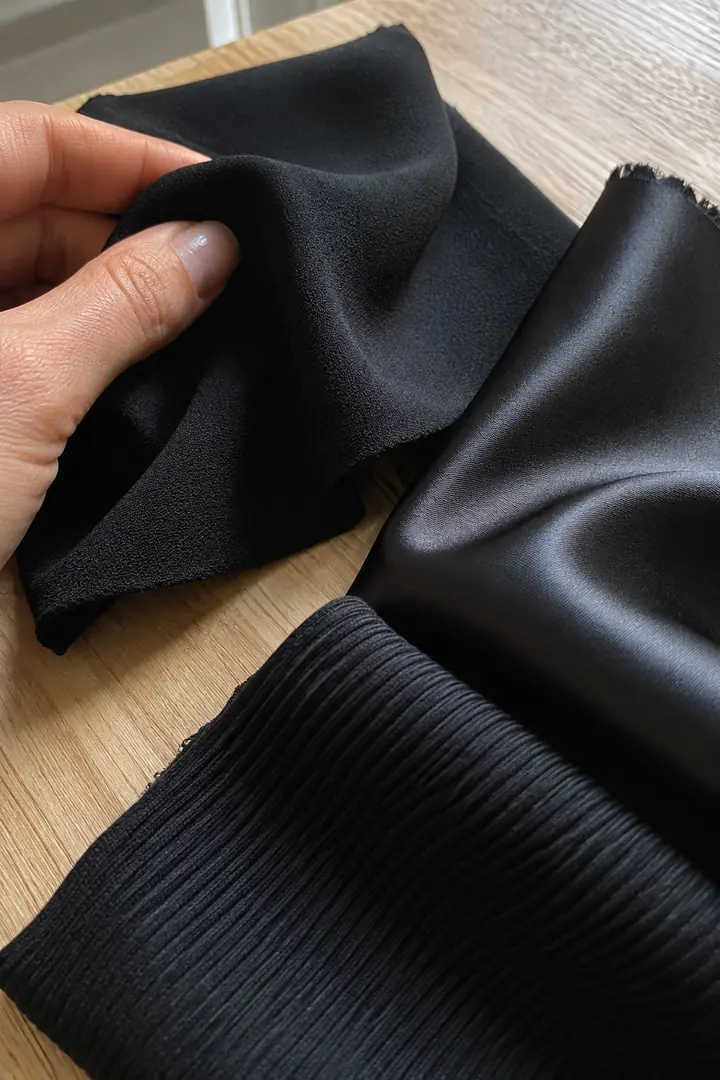
Photograph the actual black dress in soft light against a plain, contrasting background. Show its shape, back, texture, labels and any flaws. Check that black still looks black and that shadows have not hidden wear. Keep the images consistent with the description rather than editing the dress into better condition.
A useful resale picture answers a buyer’s question: what is this dress, and what condition is it in? A dramatic silhouette can be attractive while revealing almost nothing about a dark hem or a worn underarm. Start with evidence, then add a styling view if it helps. The illustrations in this guide are editorial examples, not photographs of a dress offered for sale.
What should you prepare before taking pictures?
Use the dress you are actually offering, including its current fastenings, lining and condition. Empty the pockets and arrange it without stretching or temporarily hiding a defect. Follow the care-label approach before cleaning, pressing or steaming. A photo session does not make an unsuitable treatment safe.
Choose a clean, simple background that lets the edges of the black fabric remain visible. Remove unrelated objects and check mirrors for private information. If you use a hanger, make sure it supports the construction; for a flat lay, show the garment without pulling its waist or pinning it into a smaller outline.
How do you reveal detail without turning black into gray?
Try soft, indirect light and inspect the result before taking the whole set. Etsy’s product-shooting guide explains how harsh light and shadows can interfere with clear product photographs. Avoid mixing a strongly colored lamp with daylight if it makes the fabric’s appearance inconsistent between views.
Adjust the position or camera exposure until you can distinguish relevant seams and surface texture. Then compare the image with the dress in ordinary viewing conditions. Brightening everything until a faded patch disappears is not an accuracy improvement. Equally, a very dark exposure can conceal pilling or a repair. No single phone setting suits every fabric and room.
Which evidence photo is missing?
I only have an outfit picture
Add an unlayered view of the actual dress, then its back. A jacket or pose may conceal construction and condition.
The dress shape is clear, but the surface is not
Add an in-focus detail in consistent light. Include a wider view that helps the buyer locate the detail on the garment.
I found a mark or repair
Show it clearly and describe its location and known condition. Do not retouch it away or crop it out of every photograph.
Which views help a buyer understand the dress?
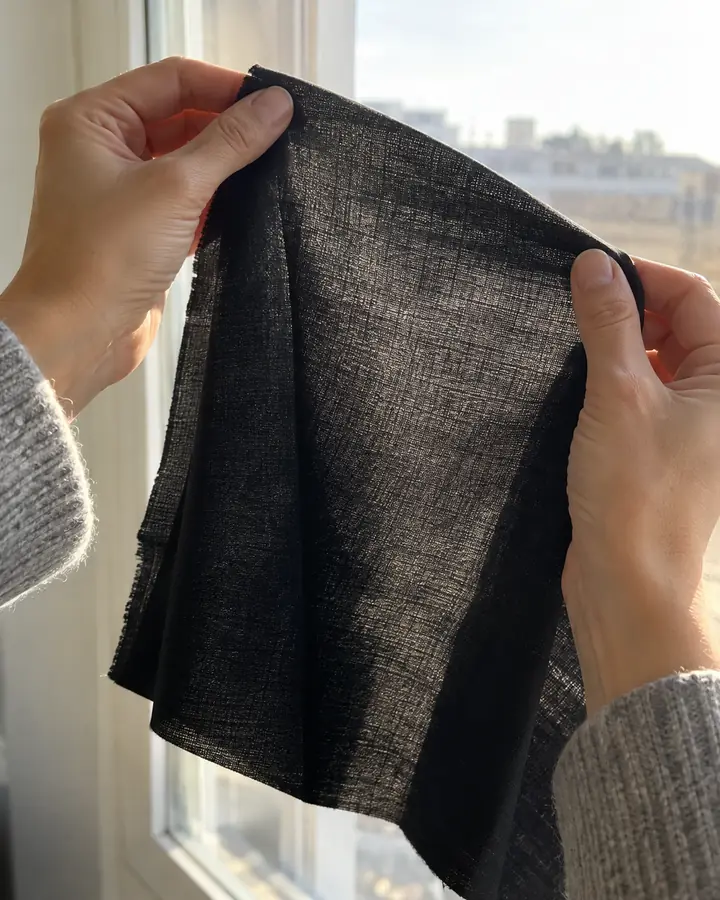
Make a short list before changing your setup. Include the whole front, whole back, a useful fabric detail, relevant labels and any condition issue. Show a lining, closure or removable part when it changes what the buyer needs to know. Keep the orientation and lighting consistent enough to compare views.
For a fault, use a close view and a location view. “Small mark near the left side seam” means more when the buyer can find that seam in a wider photograph. A ruler can give context when appropriate, but it should not cover the issue. Photograph the label instead of guessing a fiber from the shine; the black-fabric guide separates surface behavior from composition.
| What the picture shows | What you can record |
|---|---|
| A light patch in one view | Its location; compare lighting before calling it fading |
| An attached composition label | The wording actually visible, with any unreadable part left unknown |
| A repaired seam | The repair and its location, without promising invisible or permanent results |
| Accessories in an outfit shot | Which items are included and which are styling only |
What should you check before editing or uploading?
Keep the original files and review any crop, exposure or color adjustment against the real dress. Do not change the silhouette, erase a worn area or use an illustrative replacement as condition evidence. eBay’s picture policy specifically restricts misleading pictures and stock images for used or damaged items; check the current rules of the marketplace you actually use.
Requirements differ between services. Etsy’s image guidance also stresses accurate appearance and condition, but using that photography reference does not mean every used dress qualifies for sale there. Check eligibility and the platform’s current file instructions separately.
What needs another photograph?
The edge disappears into the background
Change the background or lighting position and compare another shot. Do not draw a replacement outline around the dress.
Every shot gives the dress a different color
Return to one consistent light source and compare with the actual garment. Do not choose whichever color looks newest.
The thumbnail cuts off part of the dress
Leave more space around the garment and check the platform’s crop preview. Keep separate detail photos instead of making the main view incomplete.
How do you finish the listing without overstating the evidence?
Read the description beside the images. Check front and back coverage, any condition notes, the items included and the measurements you actually took. The styling guide can inspire an additional outfit view, but it cannot establish the condition of your own garment.
A plain, legible set is more useful here than a dramatic effect that hides the subject. Adobe’s background photography guidance discusses how contrast changes the detail a viewer sees. Use that principle to reveal your dress, not create proof of quality, authenticity or a future sale.
When you compare possible offers, the local dress resale proceeds calculator can organize the fees and costs you enter. Its result is an estimate under those inputs; it does not verify a photo, set the market price or record a completed transaction.
Questions about photographing a black dress
Must the background be white?
Use a plain background that separates the dress’s edges and meets the platform’s rules. Check the actual result rather than relying on a color name.
Can you use the brand’s original picture?
For a used dress, your own current photographs show its condition. Check the platform’s image and rights rules before using other content.
Should you hide the care label?
Show relevant label information clearly without including unrelated personal details. Leave unreadable information unknown instead of inventing it.
Does shine mean the fabric is silk?
Appearance alone does not establish fiber content. Read the label and describe what you can verify.
Can a filter fix a faded patch?
A filter cannot repair the garment. Keep condition visible and avoid adjustments that make the buyer expect a different item.
Do good pictures guarantee a sale?
They help explain the item. They do not guarantee demand, a price, authenticity or a transaction.