Style
Can you wear a black dress to a job interview?
How to choose a black dress for a job interview, match the requested dress code and test the whole outfit for comfort.
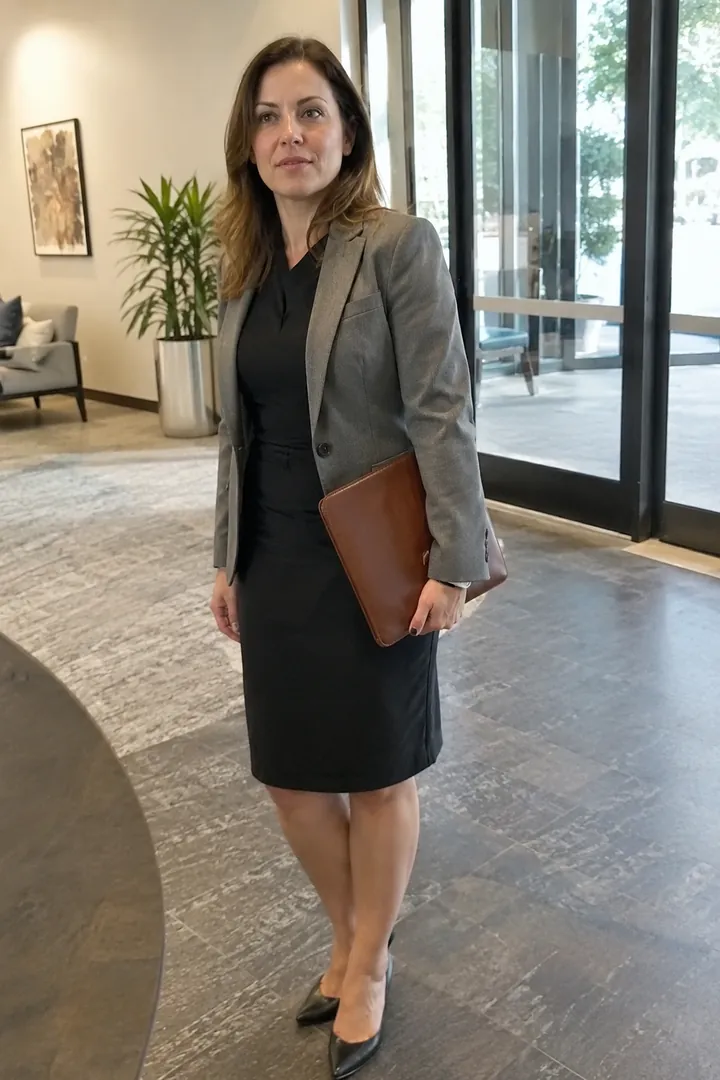
A black dress can be a useful interview outfit when its fabric, fit and styling suit the employer's setting. Start with any instructions in the invitation, then try the complete outfit while sitting and moving. A dress is one option, not a requirement or a guarantee of how an interview will go.
Start with the role and the invitation
Interview expectations vary by industry, organization and location. Read the invitation for a dress code or practical instruction before choosing anything. A meeting at a formal law office, a conversation at a creative studio and an interview on a work site may call for different clothing. If you are unsure, ask the recruiter what level of formality is expected and whether the visit includes a tour or outdoor time.
The Virginia Tech career center recommends researching the organization and the event rather than assuming one dress code fits every interview. Its examples are a starting point; the employer's instructions and your own needs take priority.
When does a black dress work for business casual?
For a business-casual meeting, consider a dress you already own in a fabric and cut that feel suitable for the workplace. A cardigan or jacket can be useful if the room is cool or you want a more structured layer. Try the layer with the dress instead of assuming that either piece will work on its own.
Look for a neckline and hem you can comfortably manage when seated. There is no universal length that makes every outfit appropriate: a dress code, physical tasks, personal comfort and the venue all matter. The dress-length guide explains how to check a hem in motion.
Open a quick interview outfit check
- Read the invitation and ask about the setting if necessary.
- Try the dress with the layer you would actually wear.
- Sit, stand and walk without repeatedly adjusting the outfit.
- Choose shoes for the route and any workplace tour.
- Check the dress's care label before pressing or cleaning.
What changes for a more formal interview?
Some employers use “business professional” to mean a suit or another coordinated formal outfit. If the invitation uses that term, clarify whether a dress and jacket are suitable. A plain black dress plus a jacket may work in some settings, but a mismatched or informal jacket is not automatically equivalent to a suit.
Career-center examples can be useful without becoming universal rules. St Olaf's career guidance distinguishes business professional from business casual and suggests asking for help when expectations are unclear. You can also ask the recruiter: “Would a dress and blazer be appropriate for this interview?”
Try the outfit in motion
Put on the dress, shoes and intended layer. Sit in a chair, stand, reach for a bag and walk a short distance. Notice whether the fabric pulls, whether the neckline shifts and whether you can keep your attention on the conversation instead of adjusting the outfit. If a layer bunches under the arms, try a different one you already have.
Plan for the journey as well. A long walk, stairs, rain or a tour through a work area may change your footwear choice. Flats, loafers or another comfortable pair can be useful where they meet the employer's requirements; there is no magic heel height that makes an interview successful. Compare options in the black-dress shoe guide.
What about an interview on video?
Check the invitation's instructions and test your setup before the call. Sit in the same chair and light you plan to use, then look at how the outfit appears on camera. A layer can help if the room is cool; choose one you can wear comfortably throughout the conversation.
Clothing is only one part of preparation. Check your connection, microphone, camera position and the interview link separately. Keep a water glass and any permitted notes within reach, and leave enough time to solve a technical problem without rushing.
Do you need to buy a new dress?
Not necessarily. First check whether an existing dress, trousers or skirt and top fit the requested setting. Borrowing or choosing a different outfit may be more useful than buying a dress that will not suit your routine afterward. If you do shop, check the return terms and try the complete outfit before the interview.
Follow the garment's care label when removing wrinkles or treating a mark; fabric and trim can have different needs. For general ideas on using a dress you already own, the black-dress styling guide covers layers and accessories.
Questions before the interview
Is a black dress always formal enough?
No. Its cut and fabric, the accompanying layer and the employer's requested dress code all matter.
Can I wear flats?
Flats can be appropriate in many settings. Check any workplace requirements and choose a pair you can walk in comfortably.
Should I ask the recruiter about clothing?
A brief question is reasonable when the invitation does not explain the dress code or the activities planned.
Does a video interview need the same preparation?
Follow the invitation, dress comfortably for the conversation and test the camera, sound and connection beforehand.
Check the lining when you sit for the interview
A standing mirror check does not show how the two layers behave in a chair. Sit as you would across a desk, stand up, then walk a short distance. Check whether the shell returns to its original position and whether the inner layer stays concealed. If either layer catches, record the movement rather than repeatedly pulling the outer skirt downward. An outfit that needs constant adjustment adds an avoidable distraction to the appointment.
Bring the intended shoes and undergarments to a fitting. Ask the alterations professional to observe the seated position as well as the standing hem. A shorter lining will not necessarily correct a shell that rides up or a restrictive fit through the hips. Leave enough time after alterations to repeat the complete movement check before the interview. Our lining-below-hem checklist separates these observations before any cutting.
Make a final surface check after the journey layer
A pale fiber on a black skirt becomes easier to see in daylight than in a dim hallway. Try the coat or cardigan you plan to travel in, remove it, and inspect the dress once more. Check the shoulders, underarms and lap where the layers touch. This is a preparation step, not a standard by which an employer can predict your ability.
Keep a suitable brush available only if it has already passed a concealed test on this dress. Last-minute aggressive tape or a razor is an avoidable risk, especially on fine knit or sheer sections. The brush, roller and shaver decision guide distinguishes loose lint from attached pilling. Allow a few minutes for an ordinary outfit check, then return your attention to the role, your questions and the practical details of the appointment.