Care
How to stop a dress lining from riding up
Dress lining rides up when you walk? Compare inner fit, tights and twisted seams with a simple movement check before arranging an alteration.
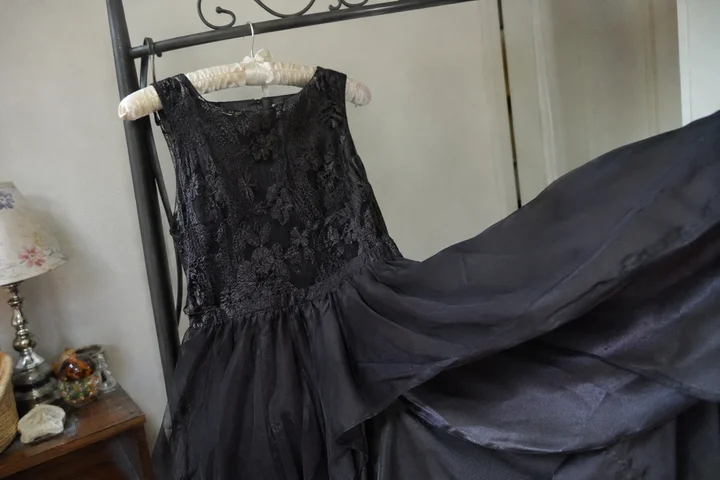
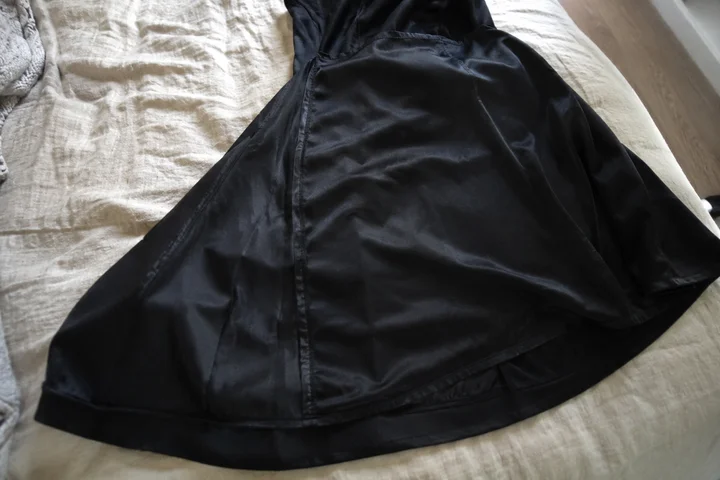
If your dress lining rides up, first separate a tight inner layer from friction against tights or a twisted seam. Try the dress with its usual underlayers, walk, then sit. Watch which layer moves first. A shorter lining is not automatically a solution: it may still bunch and leave the skirt less opaque.
Is the lining moving, or is the whole dress moving?
Stand in front of a mirror with the waist settled naturally. Notice where the outer hem and lining hem begin, without pulling either down. Take a short walk and sit in a chair. Check again before smoothing anything. If both hems climb together, start with the fit of the whole dress. If the shell stays put while the lining collects above the thighs, investigate the inside layer separately.
This is a suggested observation routine, not a laboratory test. Repeat it in the actual underwear and tights planned for the occasion. Changing every layer at once makes the result difficult to interpret. Our little black dress guide helps establish the overall fit before you investigate the lining.
What does each symptom tell you?
| What you see | What to check next |
|---|---|
| Horizontal strain across the lining | Room through hips and thighs |
| Lining catches only with tights | Contact between those two surfaces |
| One side twists upward | Seam alignment and attachments |
| Both layers climb together | Overall dress fit and walking room |
None of these observations proves a single cause. A lining can be narrow and also cling to an underlayer. Treat the table as a way to ask better questions, rather than a reason to cut a seam immediately.
Why can the outside fit while the inside feels tight?
The shell and lining do not necessarily stretch equally. New Mexico State University's guide to interfacings, underlinings and linings distinguishes the inner finishing layer from fabrics that support the garment. Do not assume that a stretchy outer skirt guarantees a stretchy lining. Look at both labels and try sitting before deciding the dress fits.
A tailor can assess whether there is usable seam allowance, whether the opening restricts your stride and whether the lining attachments are pulling. Ask for an assessment before requesting a particular fix. Releasing a seam without enough cloth can weaken it; adding a slit can change coverage. The black dress fabric guide explains why surface finish and stretch are separate questions.
How should you compare underlayers?
Try the dress once with the intended tights, then with another suitable underlayer already available. Keep shoes and the walking route the same. Record whether the lining bunches at the same place. A smoother layer may change the result, but extra bulk can create a new fit problem. Do not buy several slips before finding out whether the dress itself is too tight.
For example, note: “shell stays level; lining gathers above left thigh after sitting; happens with both pairs of tights.” That is a more useful repair brief than “the dress is static.” Our slip selection guide covers length and neckline once you know an extra layer is appropriate.
What should you avoid before an event?
Do not attach weights, glue the lining to your legs or cut its hem while wearing the dress. Avoid spraying household products onto delicate black fabric. Follow the garment care instructions and test any product permitted by its manufacturer in an inconspicuous area. If the lining still restricts sitting or walking, choose another dress for the event and arrange a fitting afterward.
At the appointment, bring the intended layers and explain whether the problem began after cleaning, alteration or a change of tights. Ask to repeat the walk-and-sit check after any adjustment. A repair is useful only if the dress remains comfortable and adequately covered during movement.